Cookies help us enhance your experience on our site by storing
information about your preferences and interactions. You can customize your
cookie settings by choosing which cookies to allow. Please note that disabling
certain cookies might impact the functionality and features of our services,
such as personalized content and suggestions.
Cookie Policy
These cookies are strictly necessary for the site to work and may not be disabled.
Cookie name
Description
Lifetime
Provider
_ce.clock_data
Store the difference in time from the server's time and the current browser.
1 day
Crazy Egg
_ce.clock_event
Prevent repeated requests to the Clock API.
1 day
Crazy Egg
_ce.irv
Store isReturning value during the session
Session
Crazy Egg
_ce.s
Track a recording visitor session unique ID, tracking host and start time
1 year
Crazy Egg
_hjSessionUser_2909345
Store a unique user identifier to track user sessions and interactions for analytics purposes.
1 year
HotJar
_hjSession_2909345
Store session data to identify and analyze individual user sessions.
1 day
HotJar
apt.uid
Store a unique user identifier for tracking and personalization.
1 year
Mageplaza
cebs
Store user preferences and settings.
Session
Mageplaza
cf_clearance
Store a token that indicates a user has passed a Cloudflare security challenge.
1 year
Cloudflare
crisp-client
The crisp-client/session cookie is used to identify and maintain a user session within the Crisp platform. It allows the live chat system to recognize returning users, maintain chat history, and ensure continuity in customer service interactions.
Session
Crisp
_ga
Store a unique client identifier (Client ID) for tracking user interactions on the
2 years
Google
_ga_7B0PZZW26Z
Store session state information for Google Analytics 4.
2 years
Google
_ga_JTRV42NV3L
Store session state information for Google Analytics 4.
2 years
Google
_ga_R3HWQ50MM4
Store a unique client identifier (Client ID) for tracking user interactions on the website.
2 years
Google
_gid
Store a unique client identifier (Client ID) for tracking user interactions on the website.
1 day
Google
_gat_UA-76130628-1
Throttle the request rate to Google Analytics servers.
1 day
Google
Advertising cookies
Advertising cookies deliver ads relevant to your interests, limit ad frequency, and measure ad effectiveness.
Advertising cookies deliver ads relevant to your interests, limit ad frequency, and measure ad effectiveness.
Cookie name
Description
Lifetime
Provider
_gcl_au
The cookie is used by Google to track and store conversions.
1 day
Google
__Secure-3PAPISID
This cookie is used for targeting purposes to build a profile of the website visitor's interests in order to show relevant and personalized Google advertising.
2 years
Google
HSID
This security cookie is used by Google to confirm visitor authenticity, prevent fraudulent use of login data and protect visitor data from unauthorized access.
2 years
Google
__Secure-1PSID
This cookie is used for targeting purposes to build a profile of the website visitor's interests in order to show relevant and personalized Google advertising.
2 years
Google
SID
This security cookie is used by Google to confirm visitor authenticity, prevent fraudulent use of login data and protect visitor data from unauthorized access.
2 years
Google
APISID
This cookie is used by Google to display personalized advertisements on Google sites, based on recent searches and previous interactions.
2 years
Google
__Secure-1PAPISID
This cookie is used for targeting purposes to build a profile of the website visitor's interests in order to show relevant and personalized Google advertising.
2 years
Google
__Secure-3PSID
This cookie is used for targeting purposes to build a profile of the website visitor's interests in order to show relevant and personalized Google advertising.
2 years
Google
SSID
This cookie is used by Google to display personalized advertisements on Google sites, based on recent searches and previous interactions.
2 years
Google
SAPISID
This cookie is used by Google to display personalized advertisements on Google sites, based on recent searches and previous interactions.
2 years
Google
__Secure-3PSIDTS
This cookie collects information about visitor's interactions with Google services and ads. It is used to measure advertising effectiveness and deliver personalised content based on interests. The cookie contains a unique identifier.
2 years
Google
__Secure-1PSIDTS
This cookie collects information about visitor's interactions with Google services and ads. It is used to measure advertising effectiveness and deliver personalised content based on interests. The cookie contains a unique identifier.
2 years
Google
SIDCC
This security cookie is used by Google to confirm visitor authenticity, prevent fraudulent use of login data, and protect visitor data from unauthorized access.
3 months
Google
__Secure-1PSIDCC
This cookie is used for targeting purposes to build a profile of the website visitor's interests in order to show relevant and personalized Google advertising.
1 year
Google
__Secure-3PSIDCC
This cookie is used for targeting purposes to build a profile of the website visitor's interests in order to show relevant and personalized Google advertising.
1 year
Google
1P_JAR
This cookie is a Google Analytics Cookie created by Google DoubleClick and used to show personalized advertisements (ads) based on previous visits to the website.
1 month
Google
NID
Show Google ads in Google services for signed-out users.
6 months
Google
Analytics cookies
Analytics cookies collect information and report website usage statistics without personally identifying individual visitors to Google.
Analytics cookies collect information and report website usage statistics without personally identifying individual visitors to Google.
Cookie name
Description
Lifetime
Provider
_dc_gtm
Manage and deploy marketing tags through Google Tag Manager.
1 year
Google
1P_JAR
Gather website statistics and track conversion rates for Google AdWords campaigns.
1 month
Google
AEC
1 month
Google
ar_debug
Debugging purposes related to augmented reality (AR) functionalities.
1 month
Doubleclick
IDE
The IDE cookie is used by Google DoubleClick to register and report the user's actions after viewing or clicking on one of the advertiser's ads with the purpose of measuring the effectiveness of an ad and to present targeted ads to the user.
1 year
Doubleclick
ad_storage
Enables storage, such as cookies (web) or device identifiers (apps), related to advertising.
1 year
Google
ad_user_data
Sets consent for sending user data to Google for online advertising purposes.
1 year
Google
ad_personalization
Sets consent for personalized advertising.
1 year
Google
analytics_storage
Enables storage, such as cookies (web) or device identifiers (apps), related to analytics, for example, visit duration.
Gift cards do not only come during the holiday season. They have become a strategic revenue driver for retailers worldwide. As we head into 2026, changing shopping habits and growing expectations around personalization and sustainability are reshaping how customers buy, use, and think about gift cards.
Understanding these statistics and trends early gives retailers a critical advantage to plan smarter campaigns and optimize customer experiences. This guide breaks down the key gift card trends shaping 2026 and what they mean for retailers preparing for the upcoming holiday season.
Gift Card Statistics
Market size and growth
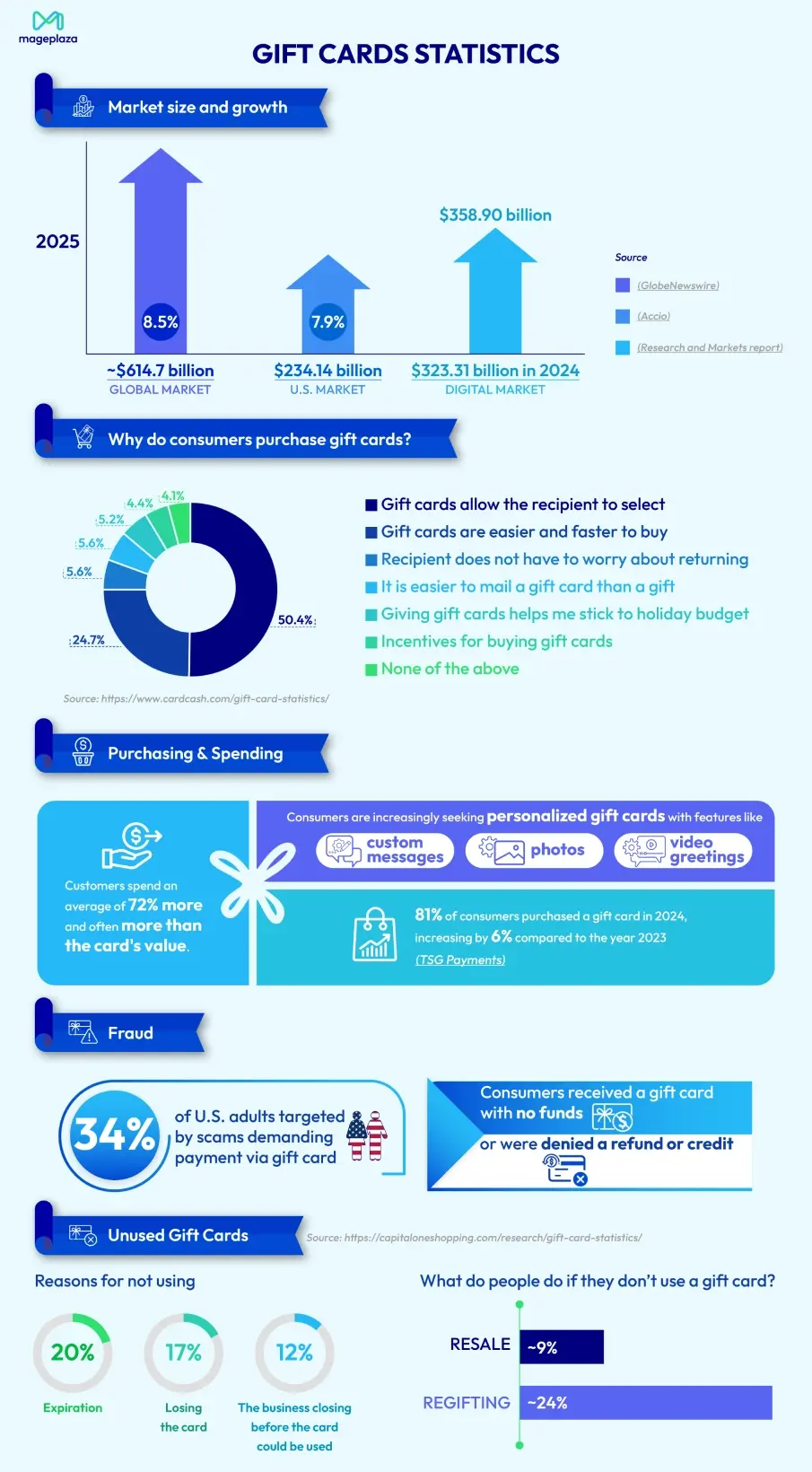
Global market: Expected to reach approximately $614.7 billion in 2025, with a growth rate of 8.5% (GlobeNewswire).
U.S. market: Expected to grow by 7.9% in 2025 to reach $234.14 billion, according to Accio.
Digital market: The digital gift card market grew from $323.31 billion in 2024 to an estimated $358.90 billion in 2025, notes a (Research and Markets report).
Why do people buy gift cards?
According to CashCard, there are more than one reasons that people want to purchase gift cards. Here are the popular reasons:
Allow the recipient to select: 50.4%
Easier and faster to buy: 24.7%
No returning by recipients: 5.6%
Easier to mail a gift card than a gift: 5.6%
Stick to holiday budget: 5.2%
Incentives for buying gift cards: 4.4%
None of the above: 4.1%
Consumer behaviors
These following statistics highlight key shifts in how people spend,
Consumers spend an average of 72% more and often more than the card’s value.
Consumers are increasingly seeking personalized gift cards with features like custom messages, photos, and video greetings.
Increased purchasing: In 2025, 81% of consumers purchased a gift card, which increased by 6% compared to the previous year, as reported by TSG Payments.
Security and fraud
Increasing awareness around security and fraud in the gift card market include:
Gift card fraud is the most common form of fraud, affecting 34% of U.S. adults who are demanded to pay via gift card, according to Capital One Shopping.
23% of consumers have received a gift card with no funds, and 54% of those were denied a refund or credit (AARP).
Unused gift cards
Not all gift cards are used as intended, and consumer behavior after receiving a gift card can vary widely. The following statistics are what happens when gift cards go unused, resold, or regifted, and the common reasons reported by CapitalOneShopping behind these behaviors.
Resale: About 9% of recipients have resold a gift card.
Regifting: Approximately 24% of people admit to regifting a gift card.
Reasons for not using: 3 most common reasons for unused cards include expiration (20%), losing the card (17%), and the business closing (12%)
Gift Card Trends 2026
Gift cards are quietly powering some of the smartest marketing strategies today. Let’s take a look at the gift card trends shaping how brands attract, convert, and retain customers, and how you can use them to level up your own campaigns.
1. Digital & Mobile preference
Digital gift cards are now the preferred choice for younger shoppers, with Millennials and Gen Z gravitating toward instant, digital delivery instead of physical cards. This shift is reinforced by the growing use of mobile wallets, where gift cards can be saved in apps like Apple Pay, Google Pay, or Samsung Pay, giving customers a simple and seamless way to purchase, send, and redeem them wherever they are.
Benefit for retailers: Reduces printing/logistics costs and expands your reach to remote or last-minute buyers.
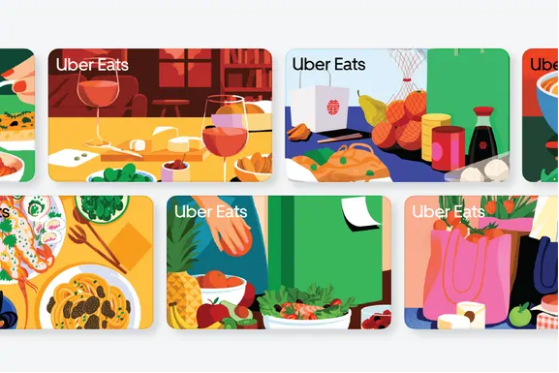
During 2023 - 2024, Uber Eats reported that digital-only gift cards were growing faster than any physical gifting format, even though the brand offers both formats. The reasons might be cards purchased online and redeemed automatically in the app, so it is perfect for last-minute gifting and instant use. Besides that, Gen Z users prefer app-based gifting linked directly to their digital wallets.
💡 Tip: Don’t let your recipients miss the gift card. Set up automated gift card email notifications to deliver codes instantly, send reminders, and reduce missed redemptions.
2. Strategic spending & Loyalty integration
Many consumers now use gift cards alongside loyalty points as a smart way to manage their holiday spending and get more value from their budgets. When gift cards are connected to loyalty programs or subscriptions, they encourage repeat engagement, bring customers back more often, and help retailers build stronger, long-term relationships well beyond the holiday season.
Benefit for retailers: Encourages repeat visits, increases average order value, and strengthens loyalty ecosystems.
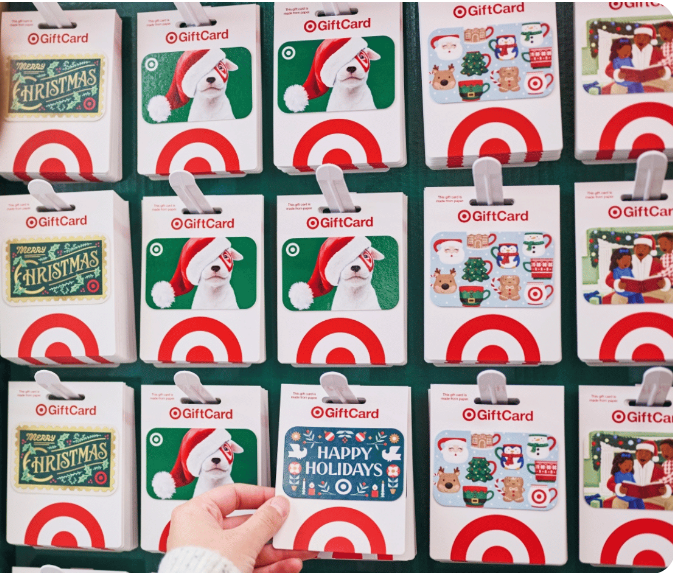
Target runs an annual holiday promotion where customers receive a bonus Target Circle reward - 10% off - when purchasing Target-branded gift cards. This approach boosts immediate revenue while securing future shopping trips from the same customer. Moreover, to enjoy this promo, buyers need to become a Target Circle member (free entry), which increases loyalty program membership registration at the same time.
3. Hyper-personalisation & Experiential gifting
Shoppers increasingly value personalized messages, designs, or curated experiences over generic dollar-value cards. Custom messages, unique designs, and experiences with AI-powered recommendations that suggest options like a “Weekend Getaway,” a “Couples Spa Retreat,” are becoming more popular than ever. Besides that, social media and influencer campaigns are playing a bigger role in spreading awareness and inspiring purchases, helping gift cards reach the right audience in a more engaging way.
Benefit for retailers: Creates memorable gifting experiences, enhances brand affinity, and encourages social sharing.
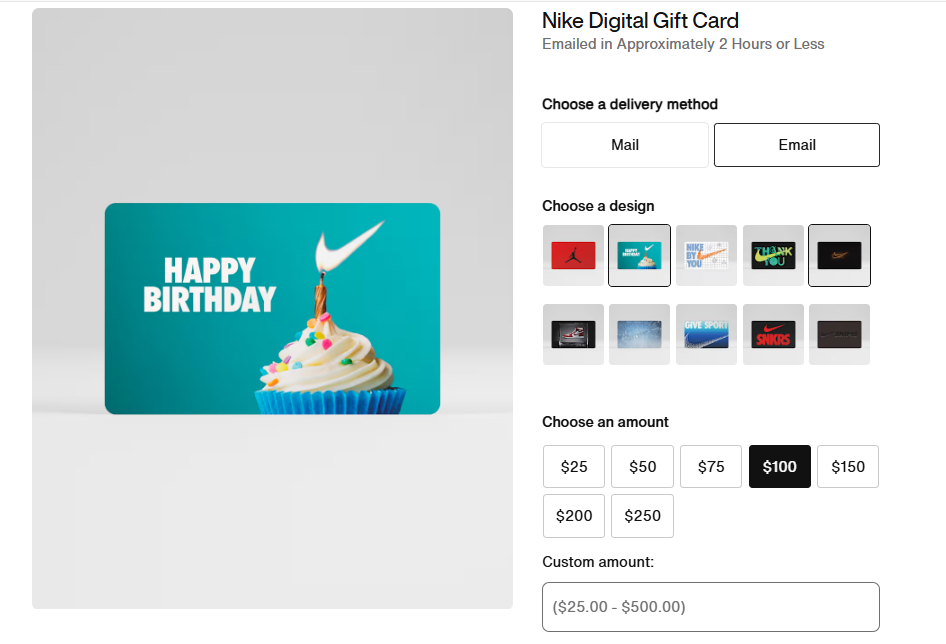
Nike sends personalized digital gift voucher recommendations based on user behavior (e.g., running shoes, training gear, Jordan fans). Shoppers can select designs, amount, and leave messages to the recipient. Also, there are 2 methods to deliver gift cards: via mail in a small shoe box, or via email for instant delivery. By doing this, the brand offers tailored connection with customers, showing their
4. Open value vs. Package-based cards
Open value cards, as they are flexible, letting senders select the value, and recipients choose products/services, remaining a consistent best-seller. However, some highly experiential and personal services such as spa and wellness services require a different approach: package & experience cards. They are created with predefined offers (e.g., signature treatments, event tickets) for gifting memorable experiences.
Benefit for retailers: Catering to both preferences maximizes sales potential and meets diverse customer needs.
For Milk & Honey Spa, this approach works because it shifts the focus from price to experience. Instead of purchasing a fixed dollar amount, customers feel like they are giving relaxation, self-care, and a sense of luxury. A clearly defined offer such as a “Signature Package” naturally feels more premium and thoughtful than a generic value, even when the price is similar. At the same time, it creates strong upsell opportunities at redemption, as recipients often choose to add extra time or upgrade products during their visit.
Holiday shopping now begins much earlier than it used to, with many customers purchasing gift cards well before October as a way to prepare ahead of the peak season. Instead of being redeemed immediately, these gift cards are often used later, as recipients continue shopping and searching for deals throughout December and even into January.
Benefit for retailers: Extends seasonal revenue, captures both early and late buyers.
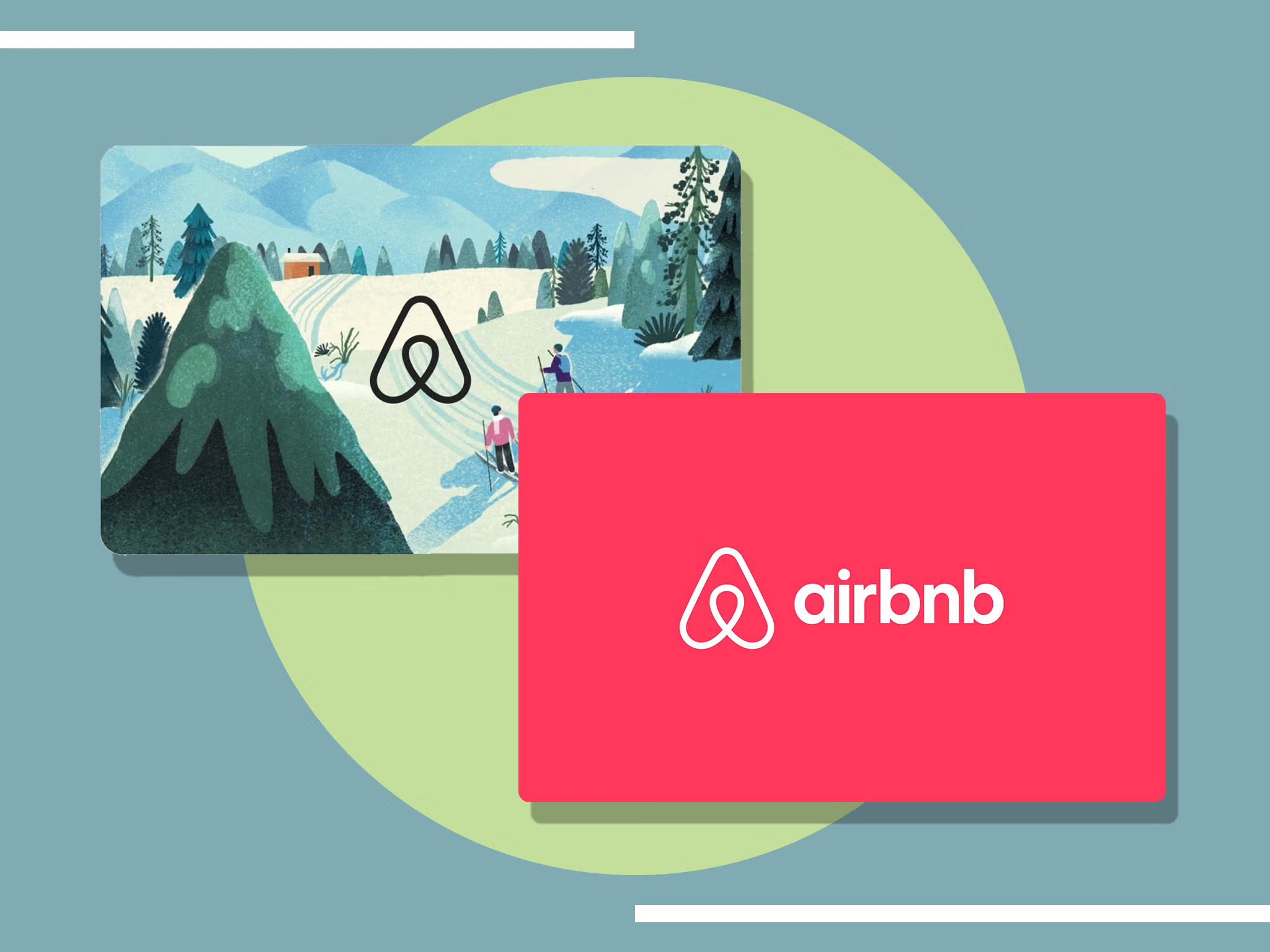
Airbnb promoted its gift cards in certain countries, where they positioned them as early planning tools for future travel. The benefits are that recipients can redeem anytime, as the gift vouchers never expire. It ensures that early shoppers secure meaningful gifts without choosing dates or destinations, and recipients are not stressed about redeeming it before expiration. It is the separation of purchase and redemption that extended revenue impact.
6. Redemption on Essentials
Some consumers focus gift card usage on essentials, like groceries or household products. As these are what they use day-to-day, they tend to use it now or later, especially after the holiday season, increasing its practical value. For consumers, it is a convenient way to offset regular expenses and manage budgets more effectively.
Benefit for retailers: Encourages repeat visits and steady revenue flow post-holidays.
Instacart, a quick-commerce platform, saw a strong trend where gift cards were redeemed for everyday essentials: groceries, household items, baby products. Gift vouchers were seamlessly applied at checkout, often paired with subscriptions or recurring orders. As they are essential items, they became a driver of repeat weekly orders, not just one-time redemptions. Many users continued shopping even after the gift card balance was exhausted.
7. Sustainability and eco-consciousness
Sustainability and eco-consciousness are increasingly shaping how people choose gifts. As more consumers prioritize environmentally responsible options, retailers are responding with eco-friendly alternatives such as biodegradable physical gift cards and packaging made from recycled materials. Moreover, digital gift cards are gaining popularity because they naturally reduce plastic use and physical waste, making them a practical and greener choice for modern gifting.
Benefit for retailers: Meet eco-conscious expectations while preserving the appeal of physical gifting. Sustainability-driven design can turn gift cards into a brand statement, not just a payment method.
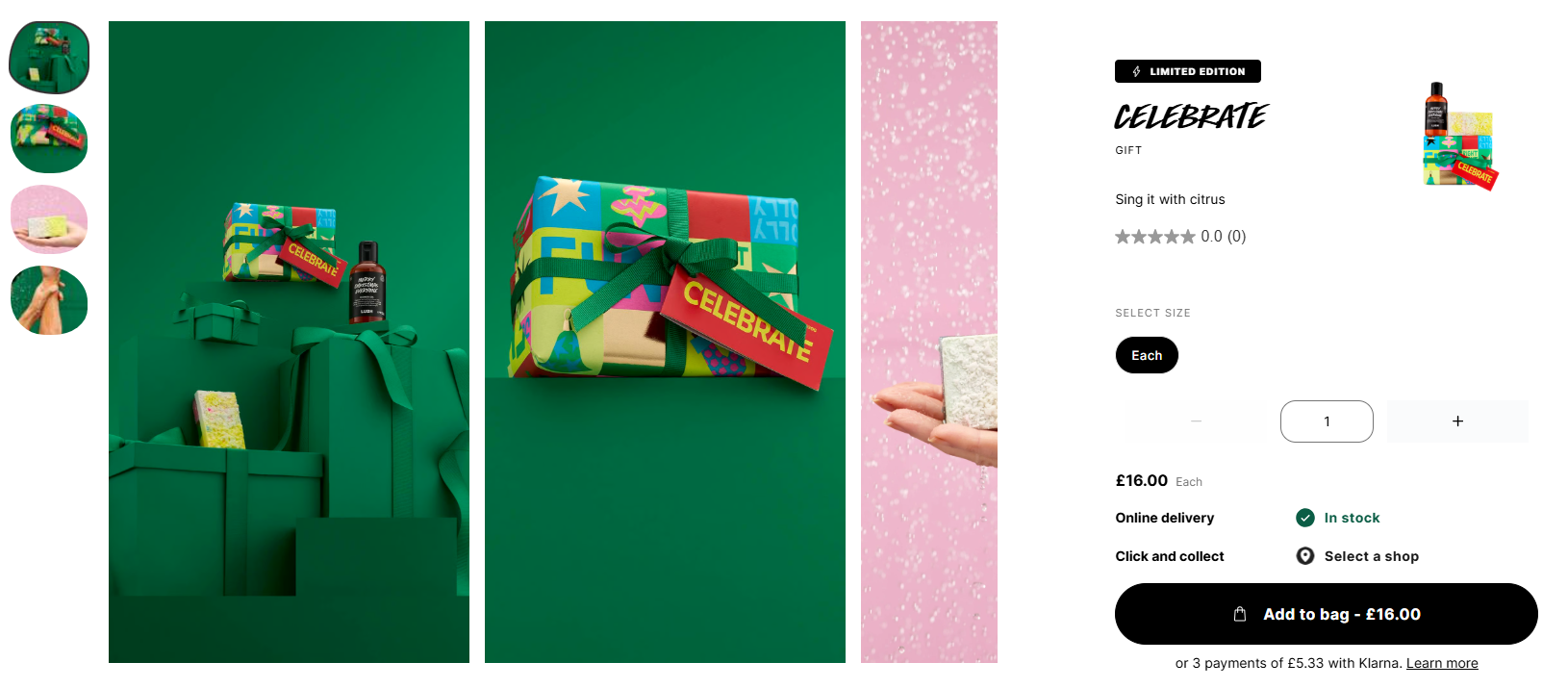
Lush, a well-known cosmetics retailer that emphasizes fresh, handmade products, introduced plastic-free, biodegradable gift cards made from recycled or natural materials such as cardboard and plant-based fibers. These physical gift cards were paired with minimal, recycled packaging, avoiding plastic sleeves and unnecessary inserts.
In-store and online messaging clearly highlighted the environmental benefits of these choices, positioning the gift cards as a more responsible alternative without compromising the gifting experience.
💡 Tip: With the Mageplaza Gift Cards extension, you can offer instant e-gift cards by email or SMS while supporting more eco-conscious shopping choices.
The bottom line
From early shopping habits and extended redemption cycles to digital-first experiences, loyalty integration, and sustainability choices, consumer expectations are evolving rapidly. They can become a powerful tool for driving conversions, increasing average order value, and building long-term customer relationships.
Retailers who understand these trends and prepare to create gift vouchers in Magento 2 ahead of the holiday season can maximize holiday revenue while setting the foundation for continued growth into the new year.
Summer is the CMO and Digital Commerce Solution Expert with 10+ years of experience. She specializes in Magento, Shopify, ERP, CRM, AI, and Blockchain, delivering strategic solutions that transform businesses. With a deep understanding of digital commerce, she helps brands scale and stay ahead in a competitive market.
Learn how to analyze website traffic in Google Analytics 4, identify high-quality traffic sources, and grow your Magento 2 store with data-driven insights.
Master UTM parameters and Google Analytics for Magento. Track traffic sources, measure campaign performance, and practical tips to use it for better business decisions.
Learn how to analyze website traffic in Google Analytics 4, identify high-quality traffic sources, and grow your Magento 2 store with data-driven insights.
Master UTM parameters and Google Analytics for Magento. Track traffic sources, measure campaign performance, and practical tips to use it for better business decisions.