

1 min read
|
03-30-2026
Unlock the Power of FOMO: Genius FOMO Marketing Techniques
Summer Nguyen
|
03-17-2025


Do you know that 60% of sales are driven by FOMO marketing? But do you know why FOMO is so effective or how to take advantage of it? If you haven’t, keep reading, and we will explain everything.
What Is FOMO?
You should first understand what FOMO (fear of missing out) is. It’s a psychological phenomenon that involves feelings of anxiety and regret when a person feels that others are having more fun, living better lives, or experiencing better things.
In marketing, FOMO is a great method to capture people’s fear and drive customer intention. It triggers consumers to take certain actions, such as making purchases.
For example, if you want to buy a car and already have a specific idea of your dream option (brand, model, color, etc.) Perhaps you are still considering this due to some financial problems and have not decided to buy that car yet. But what if, on the way home, you saw an advertisement offering 20% off, and it lasts only 3 days? Would you feel the urge to take action right away and be afraid you might miss a good deal?
This is how FOMO works. It makes people want to buy products sooner rather than keep considering forever and actually never make any purchases.
Benefits of Using FOMO in Marketing?
By using psychology, FOMO helps marketers influence customers’ choices and gain positive results.
- Create urgency: Offer limited-time discounts to make consumers act soon, fastening the decision-making process and encouraging immediate purchases.
- Boost engagement: Flash sales and exclusive deals draw attention, encouraging customers to stay updated and interact with brands.
- Drive sales: The urgency created by FOMO leads to higher conversion rates as customers act to avoid missing out.
- Enhance brand image: Exclusive offers make customers feel special, elevating the brand’s perceived value.
- Build loyalty: Special incentives for loyal customers make them feel appreciated, fostering stronger connections.
- Use social proof effectively: Highlighting that many people are buying the brand’s products makes people not want to miss out and have those items for themselves.
By creating urgency and offering exclusivity, FOMO marketing drives results while strengthening customer relationships.
Best FOMO Marketing Examples
1. Highlight Limited Stock Or Availability
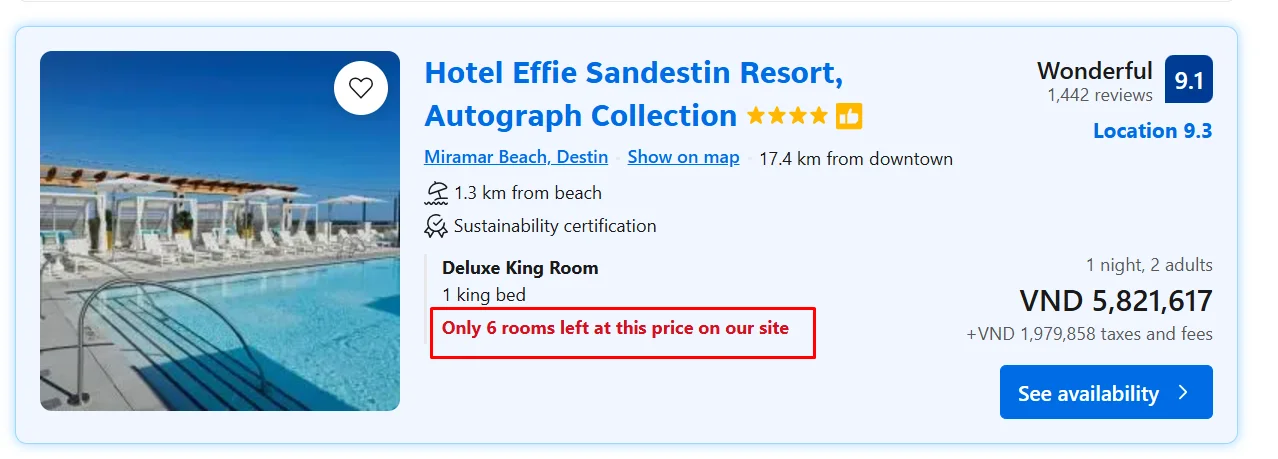
Highlighting that a product is running out quickly is an effective way to say: “This product is hot, and everyone is buying it, so if you don’t act fast, it’ll be sold out in no time.” It does not only imply how popular the item is, but the scarcity also makes it more valuable.
2. Stir Their Competitive Spirit
We don’t like missing out, especially when others might get something great before us. That’s why FOMO marketing works so well—it pushes us to act quickly.
For example, DAFNI shows how many people are viewing a product, adding urgency. Combine that with the first strategy above about limited stock; it’s even more effective.
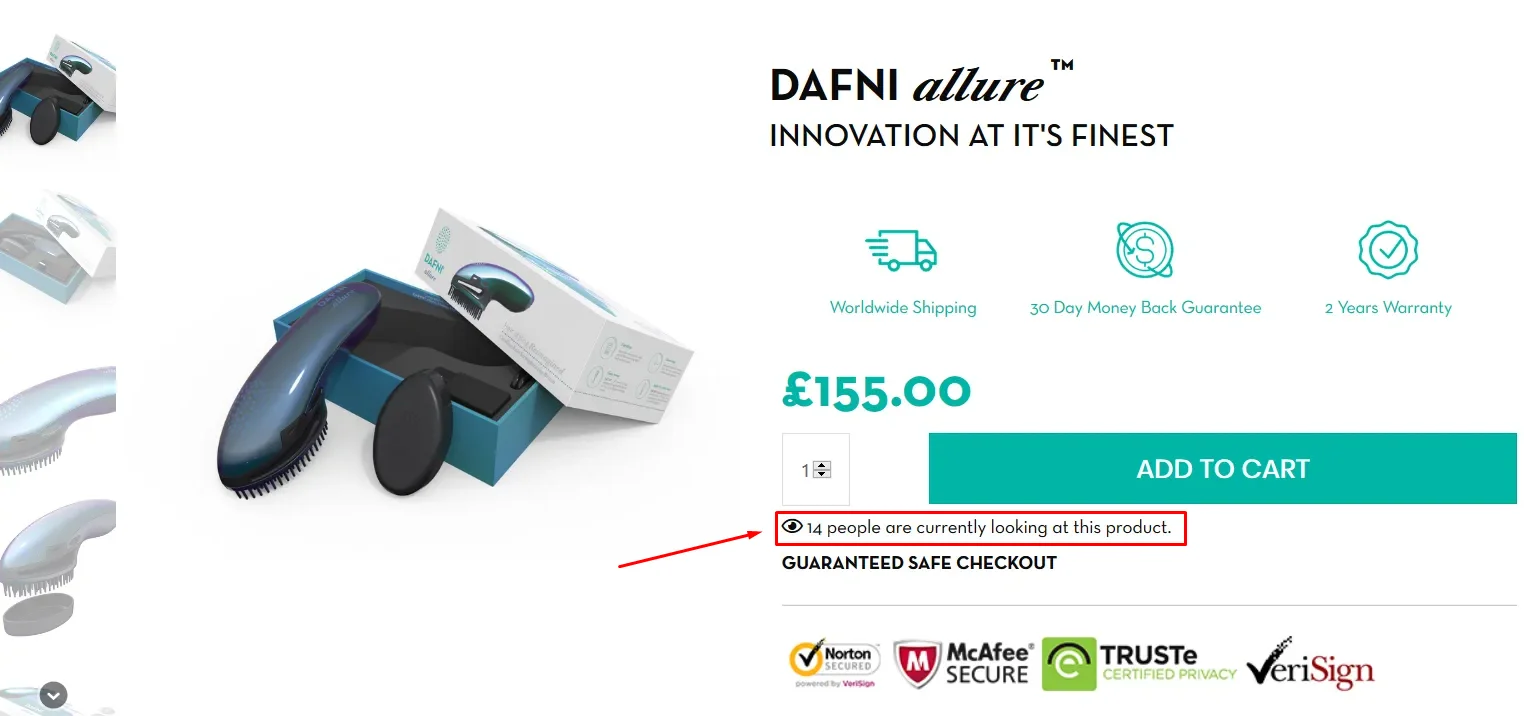
Imagine seeing a lipstick with only 5 left and 50 others also looking at it. Bet that you’d think: If I want this, I better buy it now before it’s gone.
3. Highlight Missed Opportunities
To enhance FOMO marketing, consider highlighting opportunities your customers missed out on. When they see they’ve lost a great deal because they hesitated, it can create a sense of urgency and anxiety.
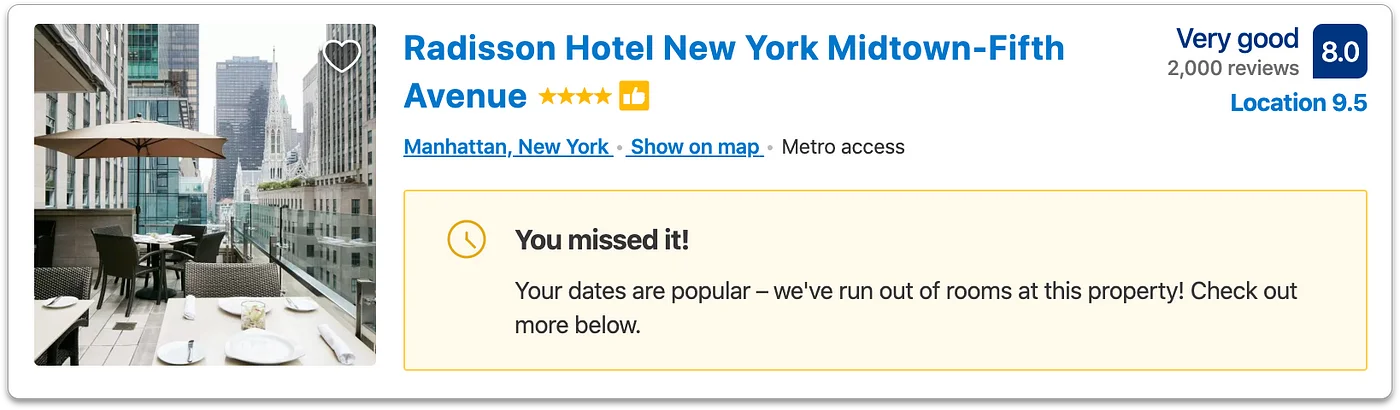
This feeling of FOMO motivates them to act faster in the future to avoid missing out again. Booking.com effectively uses this tactic with phrases like “You missed it!” to remind users of deals they’ve lost, encouraging quicker decisions next time.
4. Build Your Email List
Preparing a mailing list of engaged subscribers is the key to any marketing strategy. Email marketing offers great returns, with studies showing you could earn $36–$40 for every $1 spent. A strong mailing list also lets you better segment and understand your customers.
However, getting people to sign up has become harder due to stricter regulations and spam filters. The best way to grow your email list is by offering valuable content. Exclusive perks like early access to deals or premium content can motivate people to subscribe.
5. Offer Limited-time Deals
Limited-time sales have been a staple of marketing for decades. For some industries, they help clear excess stock, reduce storage costs, and increase revenue. Over time, the strong consumer response to such sales has inspired businesses across all sectors to adopt seasonal promotions. For instance, Miss Selfridge uses a striking top-bar design with colors that stand out to advertise their sales.
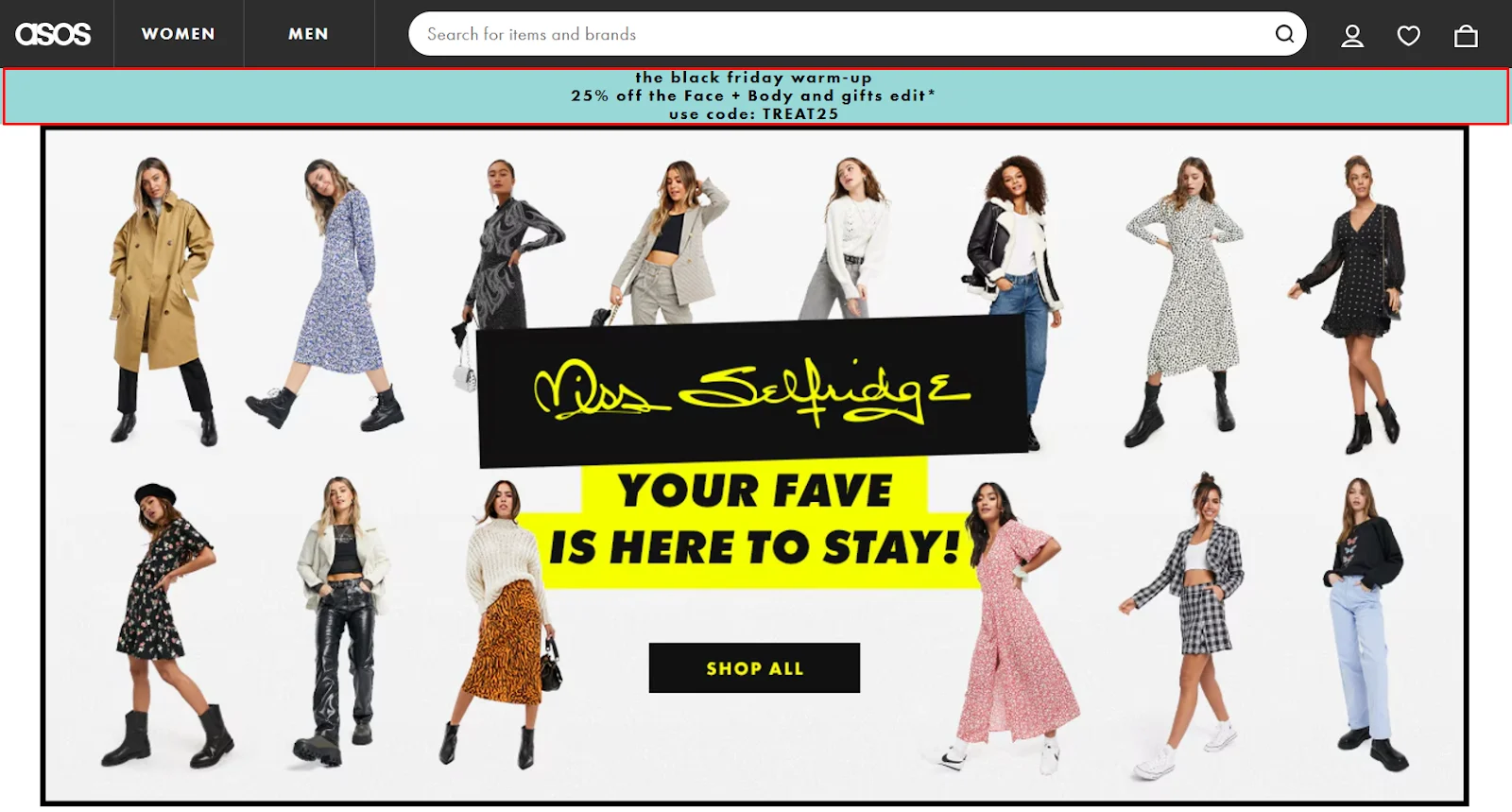
There are many ways to create time-limited offers. You could offer special bundles, discounts, or even bonus items for purchases made during the sale. The key is to present customers with an irresistible deal they don’t want to miss.
6. Create FOMO Marketing Subject Lines
FOMO is a strong tactic for grabbing attention. However, having inboxes already crowded with emails titled “Don’t miss out” or “Limited time only,” your customers might just ignore you. If you want to increase Email open rates, you have to stand out.
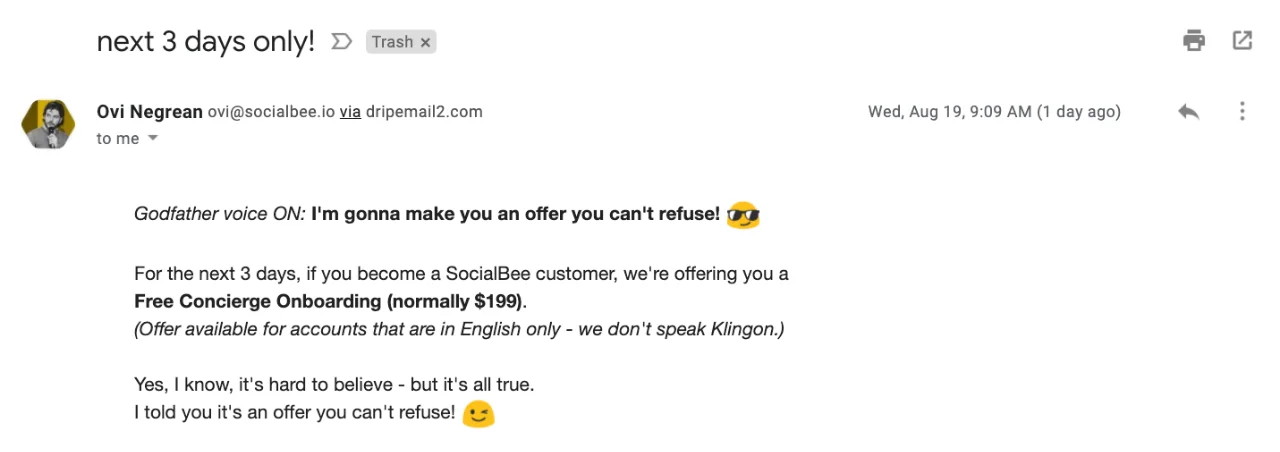
This email, part of SocialBee’s onboarding sequence, bypasses spam filters by integrating naturally into the series. The sender’s name appears before the subject line, making the classic sales approach feel less like spam and more genuine, sparking curiosity and boosting open rates. As you read through this email, it feels more like a personal conversation with a customer representative than a generic, mass-sent message.
7. Provide Limited Edition Products
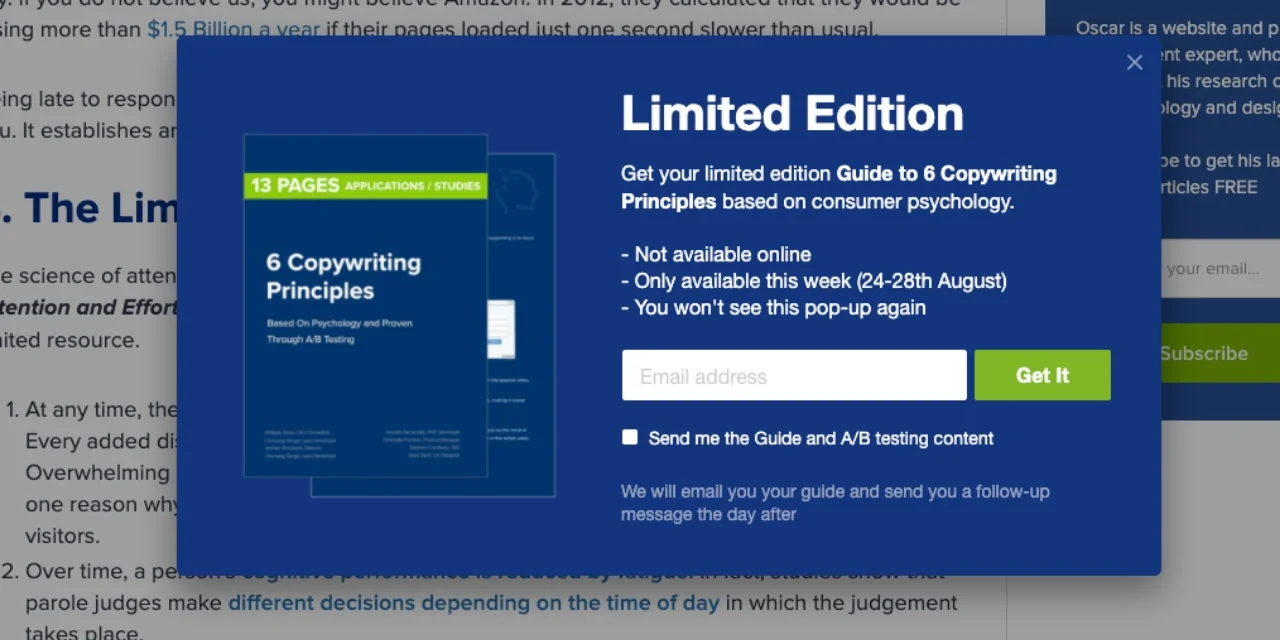
Growing your mailing list becomes easier when you provide new subscribers with something valuable in exchange for their email. While lead magnets are a popular approach, many websites simply repurpose their blog content into downloads.
By offering a unique and exclusive resource—particularly one available for a limited time—you give visitors a stronger motivation to subscribe.
8. Focus on Your Content
FOMO is a key element of content marketing, drawing in readers with enticing headlines that promise new and valuable information. While the science behind curiosity isn’t fully understood, techniques like using lists, hinting at secrets, or posing intriguing questions have proven to make content more appealing. This effect is even stronger when tied to a sense of belonging to an exclusive “in-group.”
Unanswered questions and the allure of exclusive access create a strong sense of urgency, compelling readers to click. For example, Canva uses these strategies effectively by crafting blog titles that combine lists, secrets, and a relatable “in-group.”
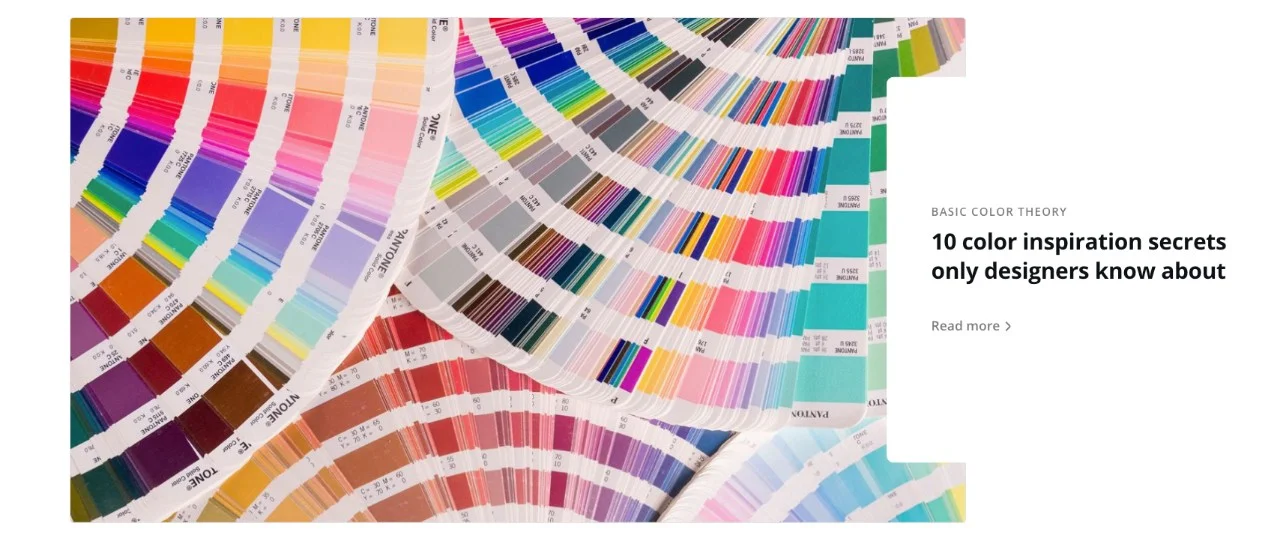
Similarly, marketing expert Brian Dean leverages his authority and turns his mailing list into an exclusive group, boosting sign-ups with this approach.
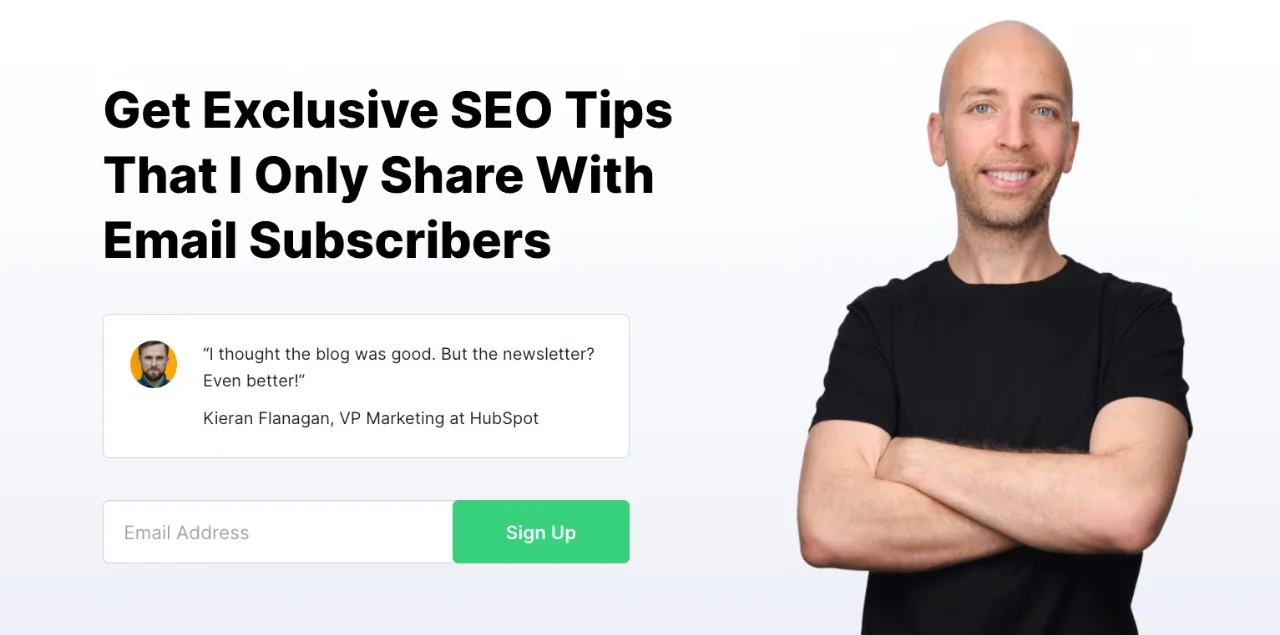 Another example is the famous marketing and SEO blogger named Brian Dean. He used his expert authority to increase his sign-ups by claiming that people who subscribe will get exclusive SEO tips from him.
9. Create A “First X Buyers” Offer
Offering free stuff and giveaways is a popular strategy in the events and entertainment industry. Limiting free items to the first 10 or 100 attendees (depending on your brand’s scale) motivates people to show up early. Similarly, offering a discounted deal for a limited number of sign-ups can prompt potential customers to decide more quickly.
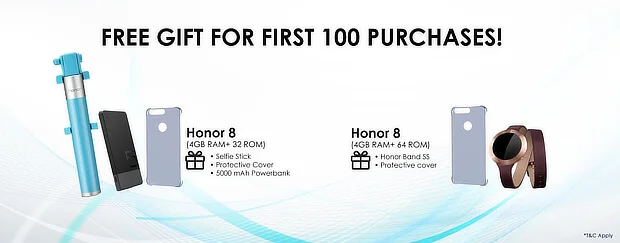
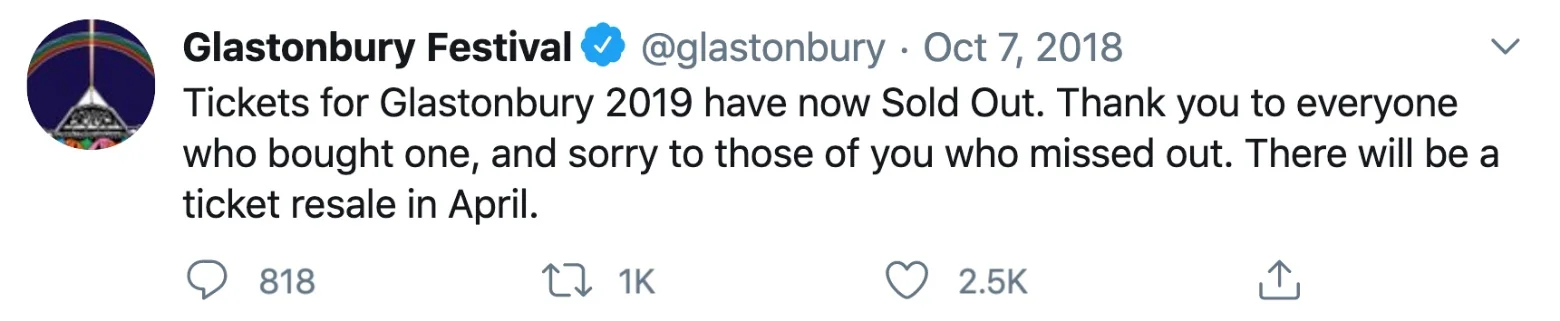
10. Display Sold Out Notice
Sometimes, it’s good to pay attention to little details. You should highlight that a product is currently out of stock to let people know how high demand your business is. That makes customers curious about you and keeps them stay longer at your website to check on other items.
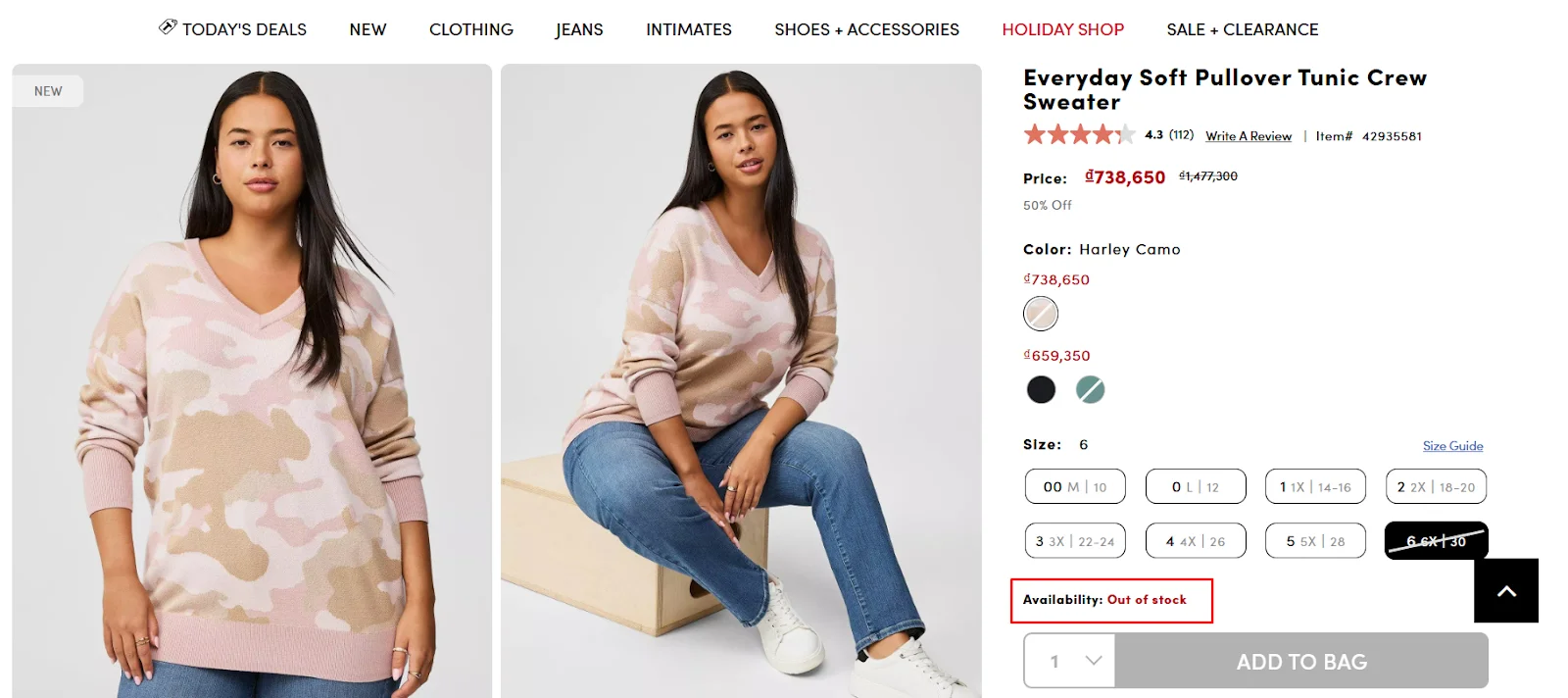
11. Apply Limited Free Shipping
According to Invesp, 90% of consumers consider free shipping the top reason for shopping online more frequently. Their research also shows that average order values increase by about 30% when free shipping is offered. In fact, many people say that free shipping is a must-have offer to customers. Without it, they will never buy a product. This makes free shipping a great tool for subtle FOMO marketing.
Offering free shipping for a limited time feels more natural than discounting prices. So, shoppers are less likely to feel manipulated and more likely to take advantage of the offer.
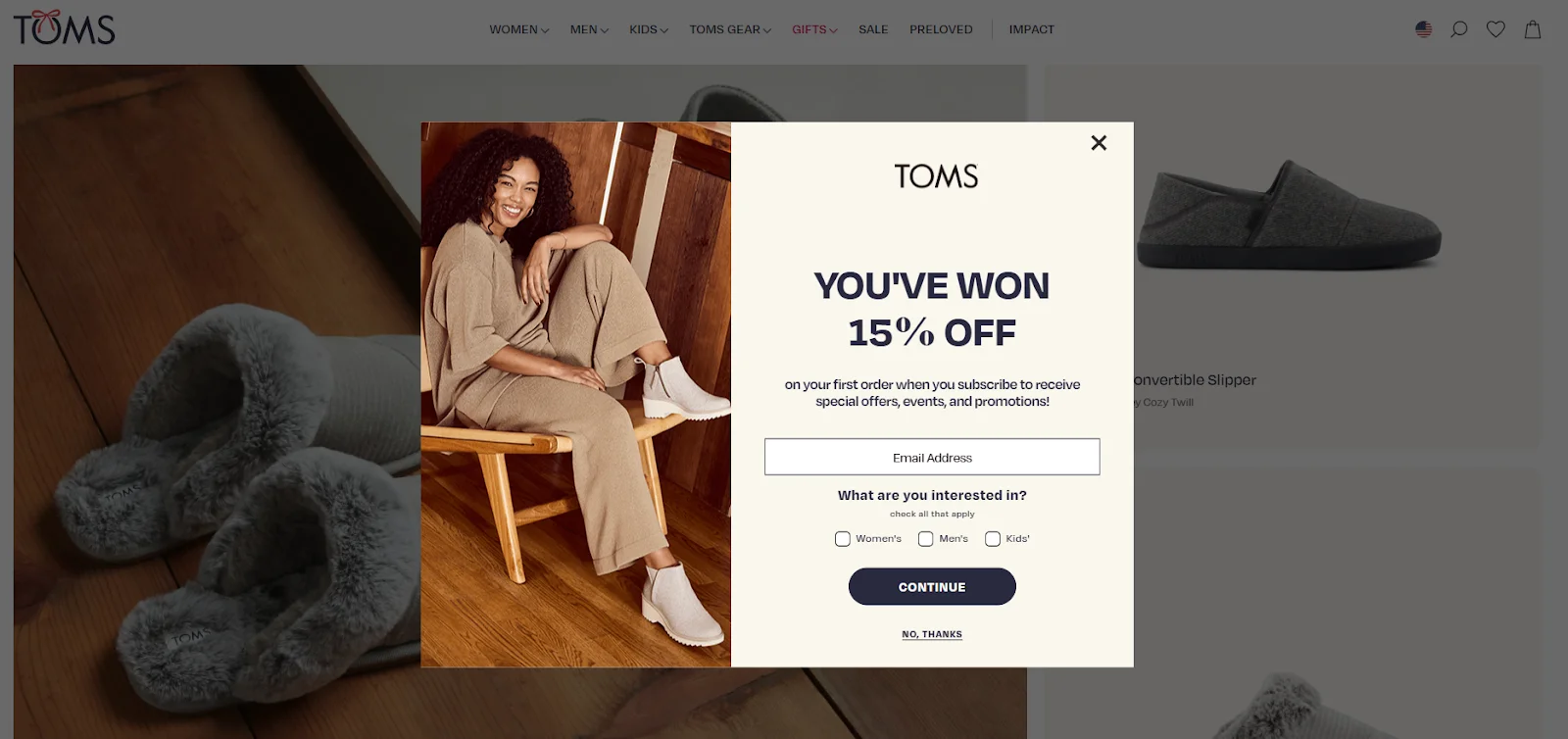
12. Use Exit-Intent Widgets
One major challenge for eCommerce and retail websites is procrastination, as visitors often hesitate to make a purchase due to uncertainty or discomfort. A solution is to use an exit-intent pop-up on your pricing or checkout page, offering a deal available only at that moment.
13. Add A Countdown Timer
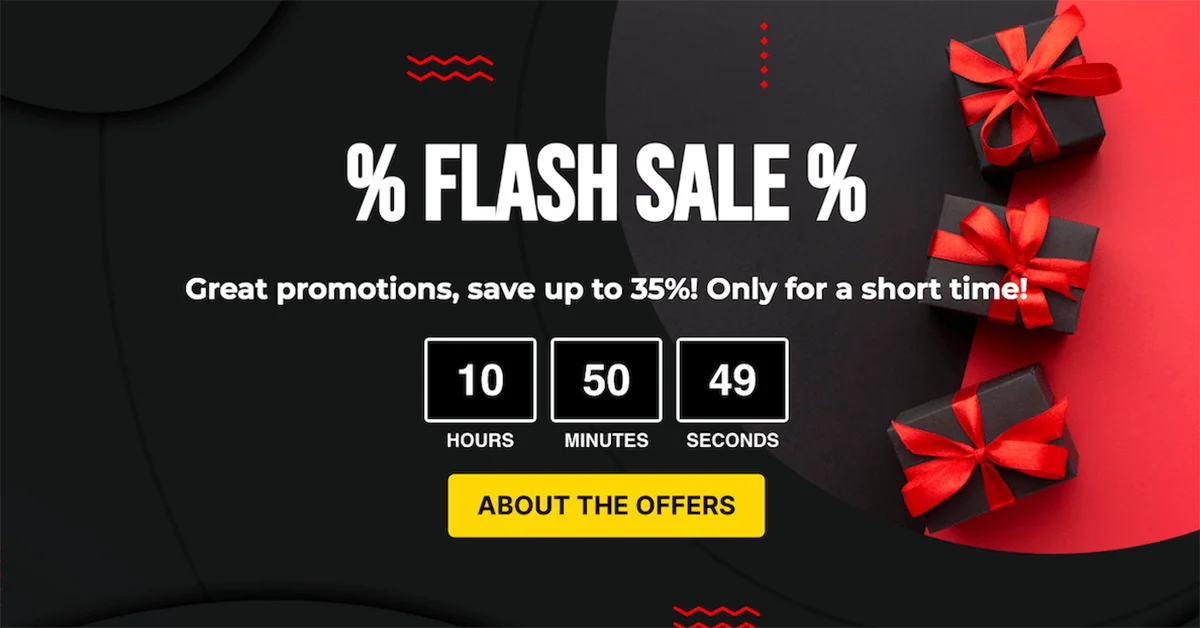
The simplest way to use “Mere Urgency” is by clearly highlighting deadlines. Countdown timers, especially when paired with special offers, can strongly influence consumer behavior.
If your goal is to boost sales quickly, a countdown timer encourages impulse buys. However, overusing this tactic may impact your brand’s credibility in the long run. So, try to use it wisely.
14. Incorporate Live Events Into Your Content Marketing
Live events can be very powerful to content marketing because they are available only at a specific time and place. While this limits the audience size, it creates a strong motivation for attendees to act, as missing the event means losing access to unique insights or information. The method gives a sense of importance much more than regular online discounts.
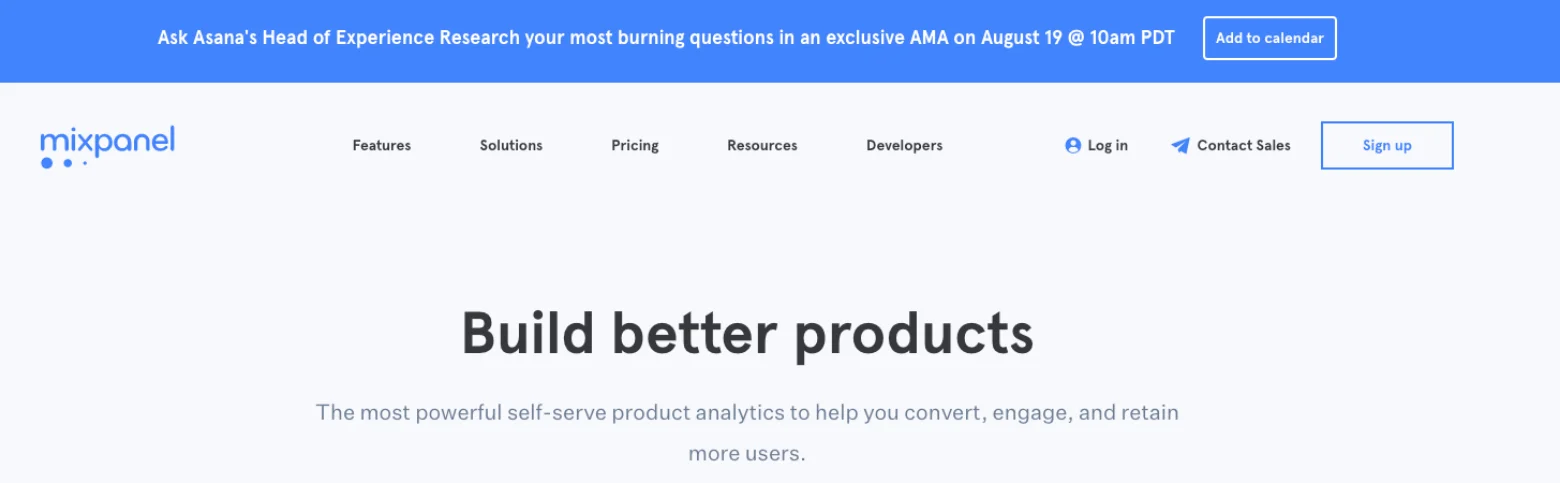
These events also support a “foot-in-the-door” approach. Getting attendees to commit to a small action, like reserving a spot, makes it easier to ask for larger commitments later. Additionally, requiring registration lets you collect email addresses for future campaigns.
15. Create Your Own FOMO Marketing Calendar
FOMO can feel more natural when tied to specific events, making marketing calendars and launch schedules essential. Events like product launches, release dates, or sales provide an opportunity to communicate genuine scarcity. For instance, the Glastonbury Festival effectively executes an annual marketing calendar with professional PR and strategic sales to ensure ticket demand far exceeds supply.
In short, a well-structured FOMO marketing calendar with staggered release dates can boost sales and enhance the perceived value of your products.
16. Trigger FOMO With Attractive Images
A nice image would help a lot in making your content more attractive. Especially in today’s modern world, low-quality and unesthetic pictures are not highly recommended at all.
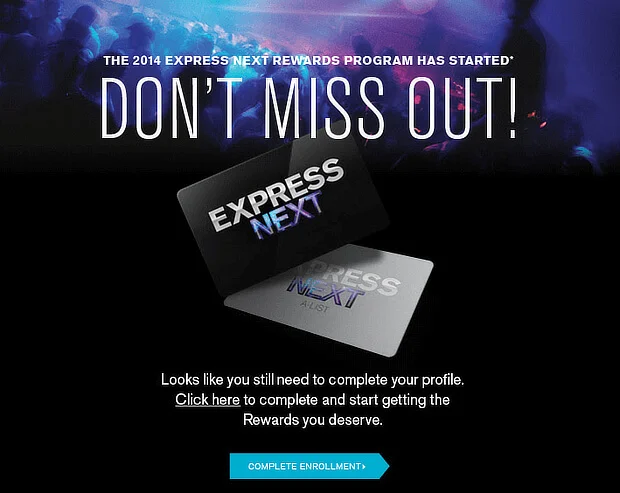
It’s not just about having a clear image or popup; they also need to be visually appealing. Take the example above; it’s concise yet informative. The structure is clean, with a bold CTA, a highlighted action button in a contrasting color, clickable elements underlined, and a straightforward message that’s easy to grasp.
Wrap Up
FOMO is a common emotion that most people experience. By understanding and applying FOMO in marketing, you can effectively reach a wide audience, as this feeling is far from uncommon. So, why not start leveraging it right now?
Table of content

Summer is the CMO and Digital Commerce Solution Expert with 10+ years of experience. She specializes in Magento, Shopify, ERP, CRM, AI, and Blockchain, delivering strategic solutions that transform businesses. With a deep understanding of digital commerce, she helps brands scale and stay ahead in a competitive market.
Related Post
Magento 2.4.9 Beta Release: What's New?
Magento 2.4.9 beta is here. Stay up to date with every release milestone with this regularly updated guide.
11 mins read
|
03-17-2026
Google Analytics Website Traffic: The A–Z Guide for Magento 2 Store Owners
Learn how to analyze website traffic in Google Analytics 4, identify high-quality traffic sources, and grow your Magento 2 store with data-driven insights.
18 mins read
|
03-17-2026
The Complete Guide to UTM Parameters & Google Analytics for Magento website
Master UTM parameters and Google Analytics for Magento. Track traffic sources, measure campaign performance, and practical tips to use it for better business decisions.
9 mins read
|
10-05-2025
How to implement Cookie Consent for GTM & Google Analytics in Magento Under GDPR?
Implement cookie consent for GTM & GA4 in Magento under GDPR. Step-by-step guide using Google Consent Mode v2 to avoid fines and maintain analytics.
15 mins read
|
02-27-2026

Speed vs. Sales: Comparing Hyvä Checkout and Mageplaza One Step Checkout
Learn how Hyvä Checkout and Mageplaza One Step Checkout impact order completion rates and revenue growth.
8 mins read
|
02-25-2026
1 min read
|
03-30-2026
Magento 2.4.9 Beta Release: What's New?
Magento 2.4.9 beta is here. Stay up to date with every release milestone with this regularly updated guide.
11 mins read
|
03-17-2026
Google Analytics Website Traffic: The A–Z Guide for Magento 2 Store Owners
Learn how to analyze website traffic in Google Analytics 4, identify high-quality traffic sources, and grow your Magento 2 store with data-driven insights.
18 mins read
|
03-17-2026
The Complete Guide to UTM Parameters & Google Analytics for Magento website
Master UTM parameters and Google Analytics for Magento. Track traffic sources, measure campaign performance, and practical tips to use it for better business decisions.
9 mins read
|
10-05-2025
How to implement Cookie Consent for GTM & Google Analytics in Magento Under GDPR?
Implement cookie consent for GTM & GA4 in Magento under GDPR. Step-by-step guide using Google Consent Mode v2 to avoid fines and maintain analytics.
15 mins read
|
02-27-2026
Speed vs. Sales: Comparing Hyvä Checkout and Mageplaza One Step Checkout
Learn how Hyvä Checkout and Mageplaza One Step Checkout impact order completion rates and revenue growth.
8 mins read
|
02-25-2026